Protect people and define the affected operation
A roof leak, burst supply line, or drain backup can interrupt a business even when only part of the floor appears wet. Identify the affected rooms, tenant spaces, contents, and access routes. Building cleanup and the evaluation of equipment, stock, or records may require different specialists.
Call (866) 552-5141 with your Abilene address, the rooms affected, and whether water is still entering. Discuss independent provider availability, the assessment, and any source repair already arranged. The responding business confirms its services, arrival window, and charges.
Choose a contact who can make work decisions
The property owner, tenant, facilities team, insurer, and source-repair trade may all be involved. Name one operational contact who can arrange access, receive findings, and direct requests for authorization to the right person. Identify separate decision-makers where building components and business contents have different responsibilities.
The contractor should know who can approve material removal, equipment placement, and changes discovered during inspection. Keep the scope and authorizations in writing where practical. This helps avoid a work delay caused by an unanswered question rather than the physical difficulty of the loss.
Give the business location and the decision-maker
For a downtown suite, retail unit, or another Abilene facility, provide the full address, suite, entry instructions, and authorized contact. Mention shared systems and the property manager if you lease the space. Agree on how new findings and changes in scope will be approved.
Ask whether the provider can assess work by room or zone, what access is needed for return checks, and which areas require isolation. Operating or reopening decisions should account for the actual conditions and any relevant specialist or authority requirements.
Define the affected zones before planning business activity
Water can travel below flooring, through ceilings, or along concealed building assemblies. The visible pool may not show the entire boundary. The assessment should consider adjoining occupancies and areas below or beside the source where appropriate.
Ask for a practical description of the work zones and access restrictions. Required exits, utilities, contamination, and the business activity influence whether any portion can remain open. A cleanup plan should not promise normal operation simply because one customer room or production aisle appears dry.
Coordinate source repair with extraction and drying
A plumber, roofer, building engineer, or equipment vendor may need to correct the source. Restoration addresses the resulting damage within the agreed scope. Make clear which provider is stopping the water and who communicates when affected systems can return to service.
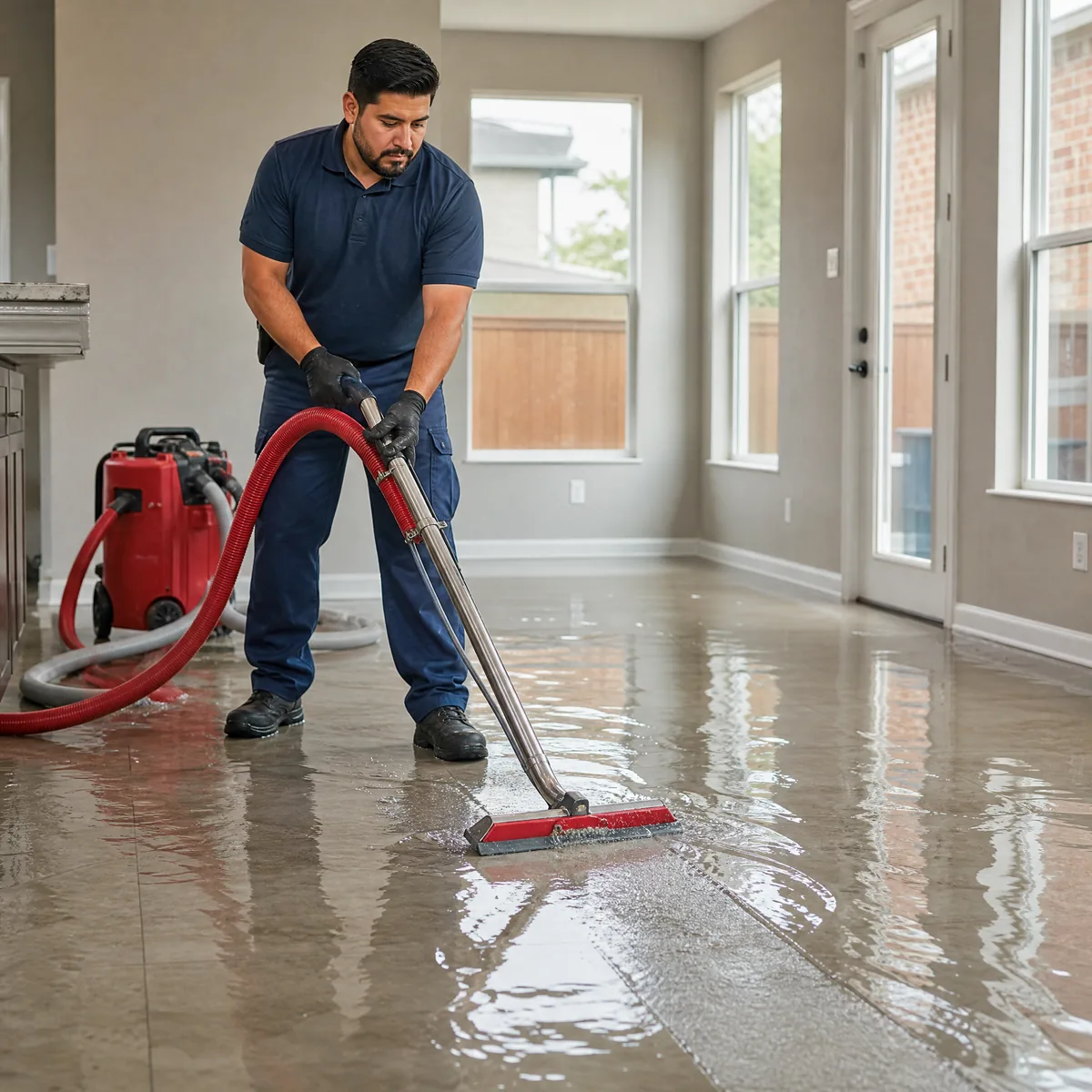
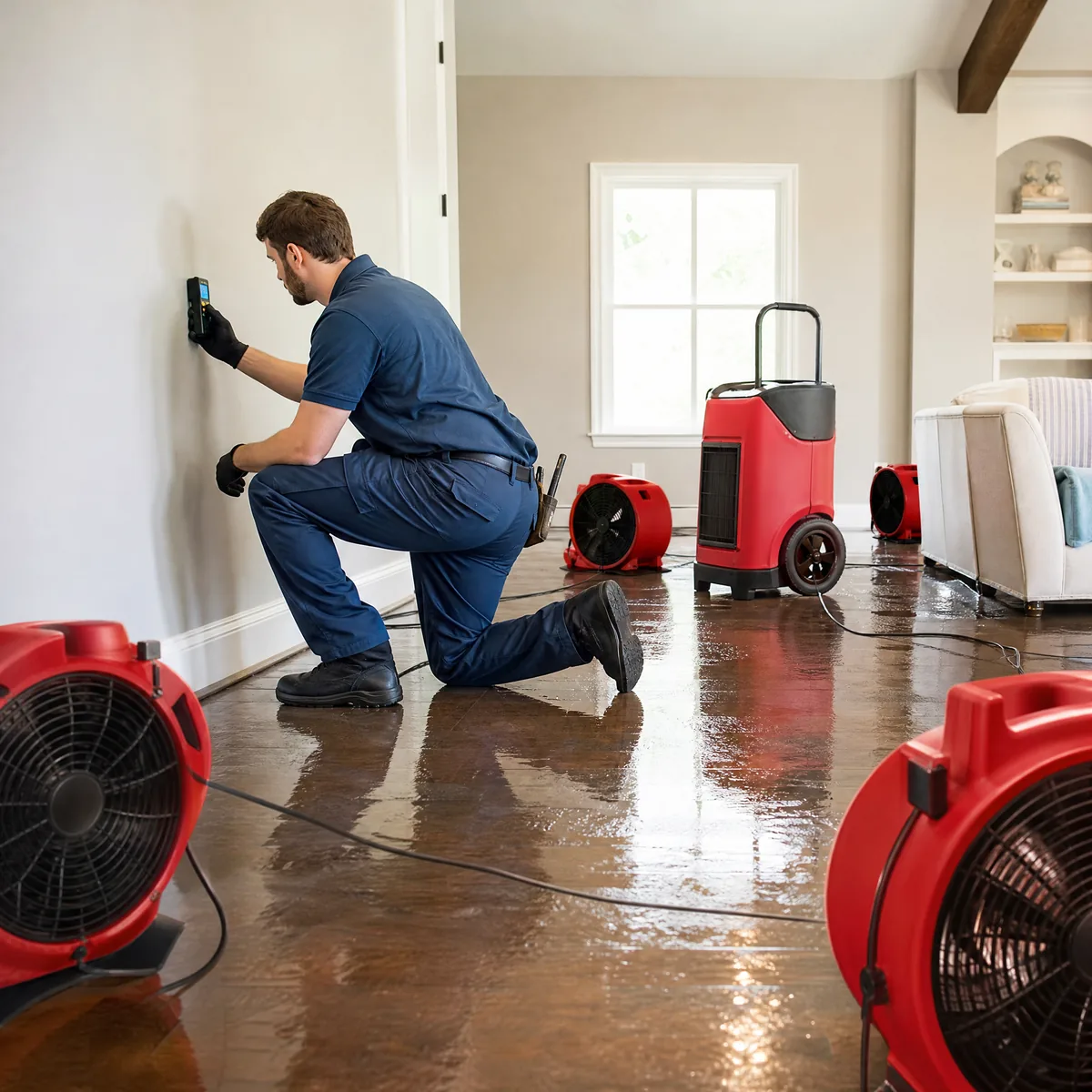
The mitigation plan may include extraction, cleaning, material removal, and monitored drying. Ask where access is needed, which components are being retained, and how progress will be reported. Necessary source work, specialist evaluations, and reconstruction should remain visible as separate tasks when they are not included in the mitigation agreement.
Match the response to the business using the space
An office may prioritize staff access, network equipment, and records. A retail store needs affected stock separated from saleable merchandise. A warehouse may require organized loading and inventory movement across a larger work area.
Restaurants, hotels, and medical offices introduce their own operating and equipment questions. Building drying does not establish that specialized products, food, devices, or activities are ready to resume. Keep those decisions with the appropriate qualified professionals and responsible business contacts.
Abilene access can shape the work plan
Give the actual property entrance, suite, gate instructions, loading hours, and security contact. A business in a mixed-use district may share corridors with other occupants. A facility elsewhere in the city may have controlled loading access or restrictions around equipment and processes.
Tell the provider about stairs, service elevators, required insurance documents, and any areas its personnel cannot enter without an escort. These details help confirm the logistical fit before equipment arrives. The size of the water loss alone does not describe how a contractor can work effectively inside the building.
Keep equipment and contents within the right scope
Electrical devices, machinery, refrigeration, documents, and inventory may need specialist evaluation apart from the building. Do not restart affected equipment simply because the room around it has dried. Identify which vendors need to inspect or service each item and what information they require.
Record contents moved off-site and designate who can approve disposal. The restoration provider may help document the physical loss, but should not be assumed to make every stock, confidentiality, or equipment-use decision for the business. Clear responsibilities prevent hurried cleanup choices from creating avoidable operational problems afterward.
Understand the estimate and changes to it
Request an itemized scope separating emergency attendance, extraction, cleaning, removal, drying equipment, monitoring, contents work, and reconstruction where applicable. Ask how additional findings will be documented and approved. A large project can change as concealed areas become accessible, but those changes should remain understandable.
Keep photographs, source findings, invoices, work records, and the final information supplied by each provider. Discuss the event with your insurer using the actual source and affected property. A restoration estimate or report documents work; it does not guarantee coverage for damage, contents, or business interruption.
Hand completed areas back with a clear status
Before a work zone returns to use, identify completed mitigation, remaining repairs, equipment restrictions, and any required professional or authority review. Give the repair contractor relevant moisture and removed-material records. Each area should have a practical status that the operating team understands.
Call (866) 552-5141 for commercial water-damage help in Abilene. Describe the operation, affected area, known source, and any specialist requirements. The independent provider can discuss fit, current availability, and the next step toward assessment and recovery.
Commercial water damage: common questions
Can work be performed outside our operating hours?
Can we remain open in an unaffected area?
Is specialized industrial equipment included?
Does emergency mitigation include rebuilding?
Help for your Abilene address
See the Abilene and nearby area guides for access details. Call with the full address to confirm provider coverage and current availability.